Bible Sampler Quilt: Getting Started
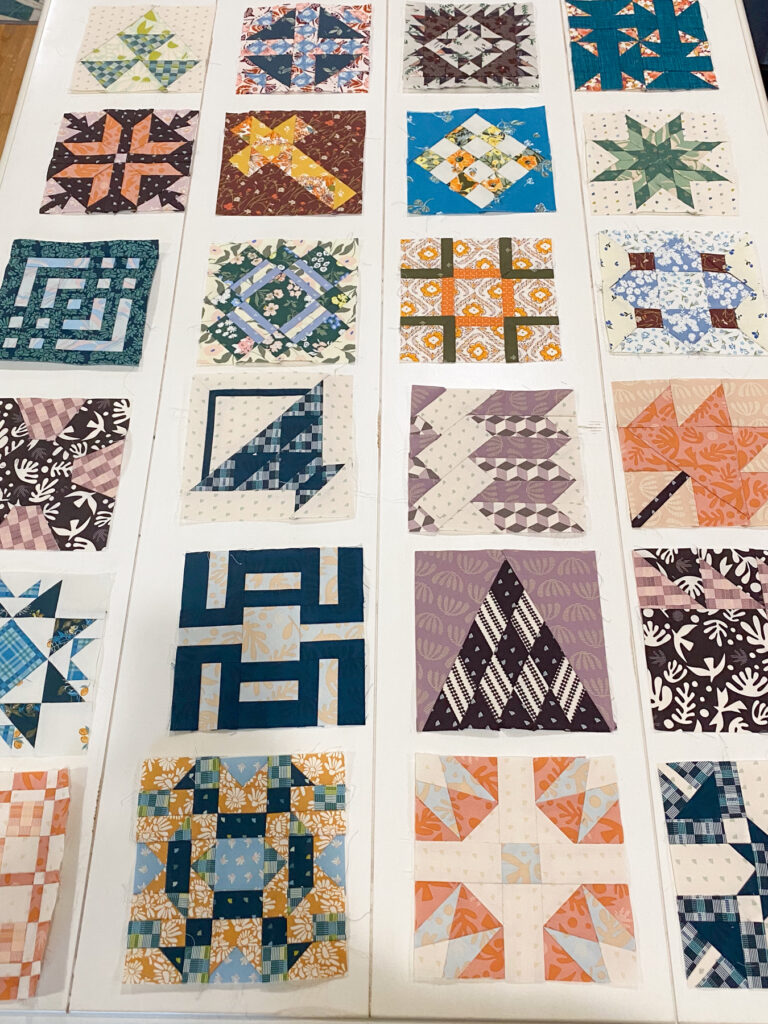
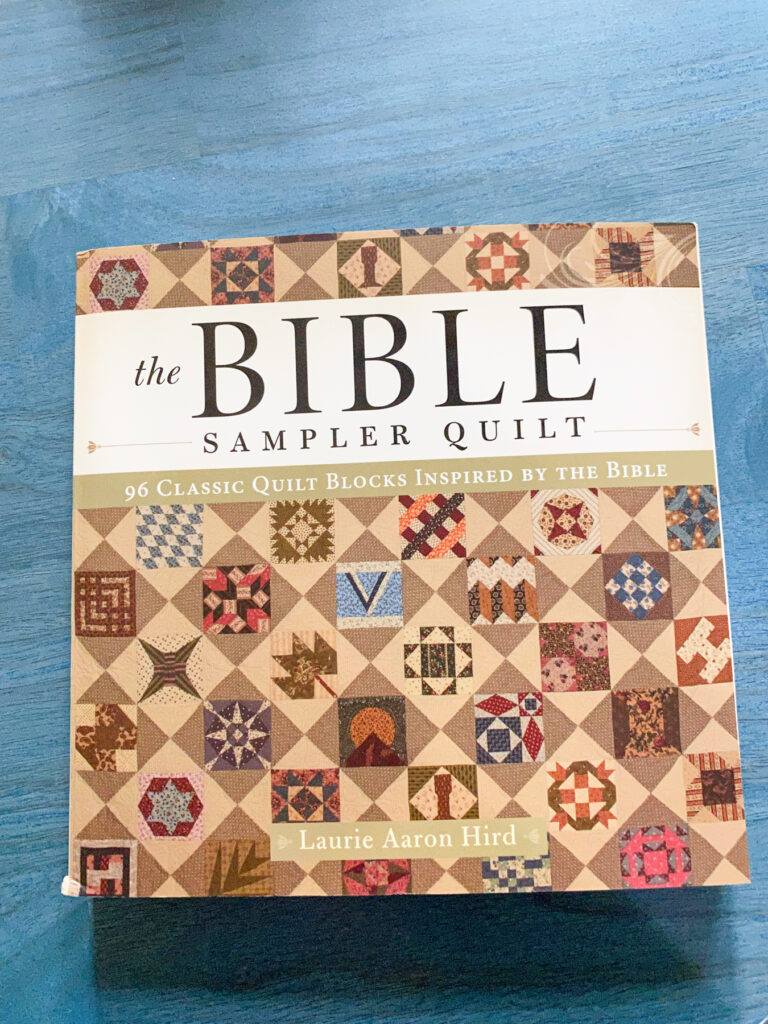
I’ve had a Bible quilt on my heart for a long time, and this year, I’ve finally committed to starting it. I’m using The Bible Sampler Quilt by Laurie Aaron Hird a beautiful book that includes 96 six-inch blocks, each paired with a Bible verse.
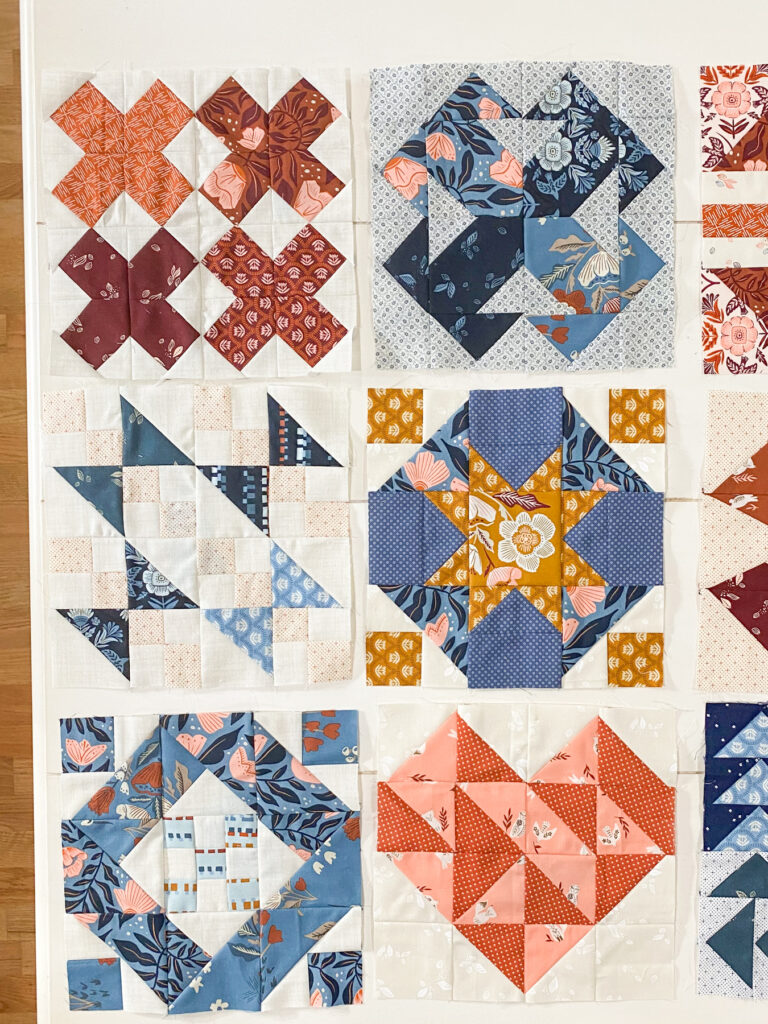
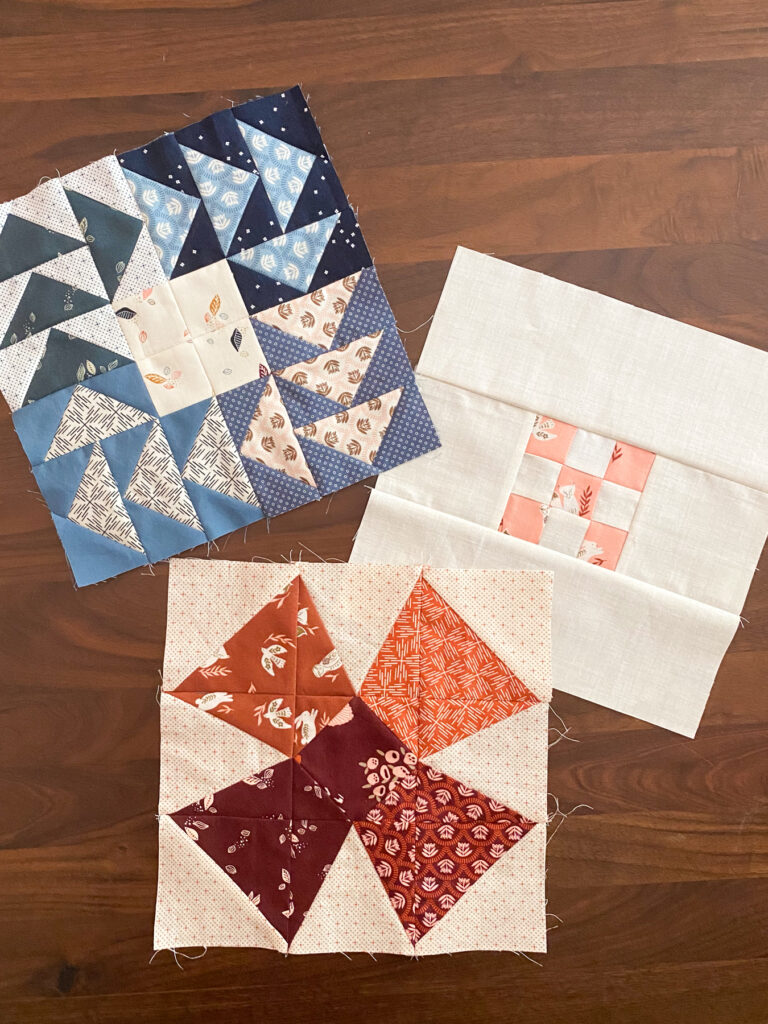
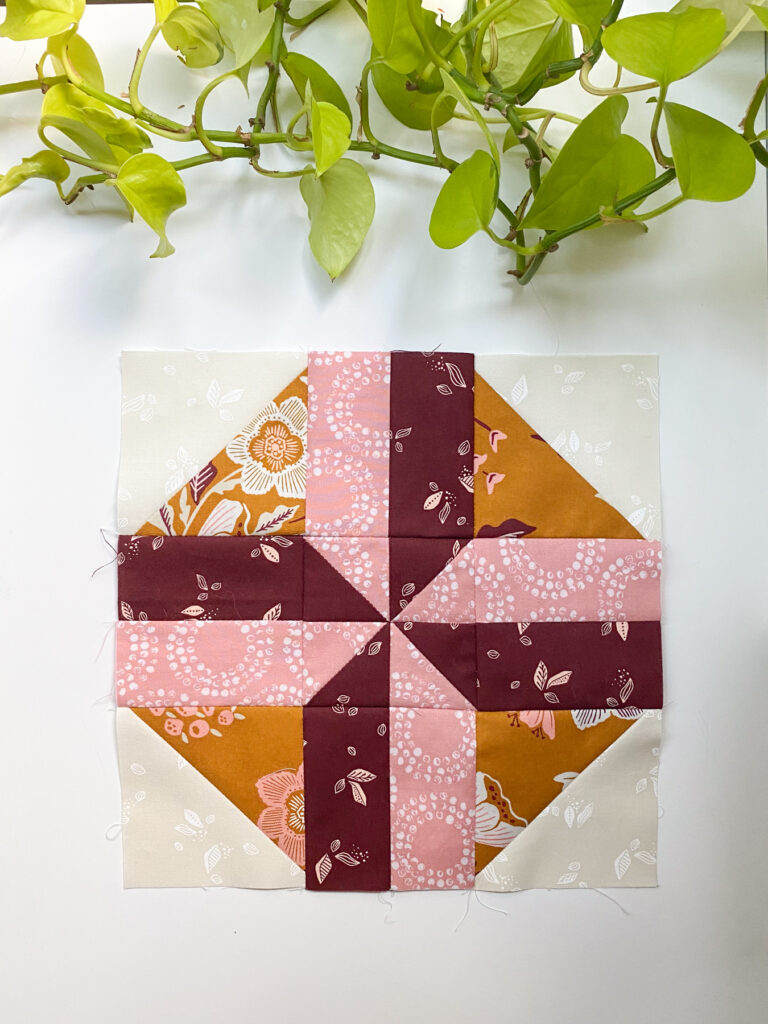
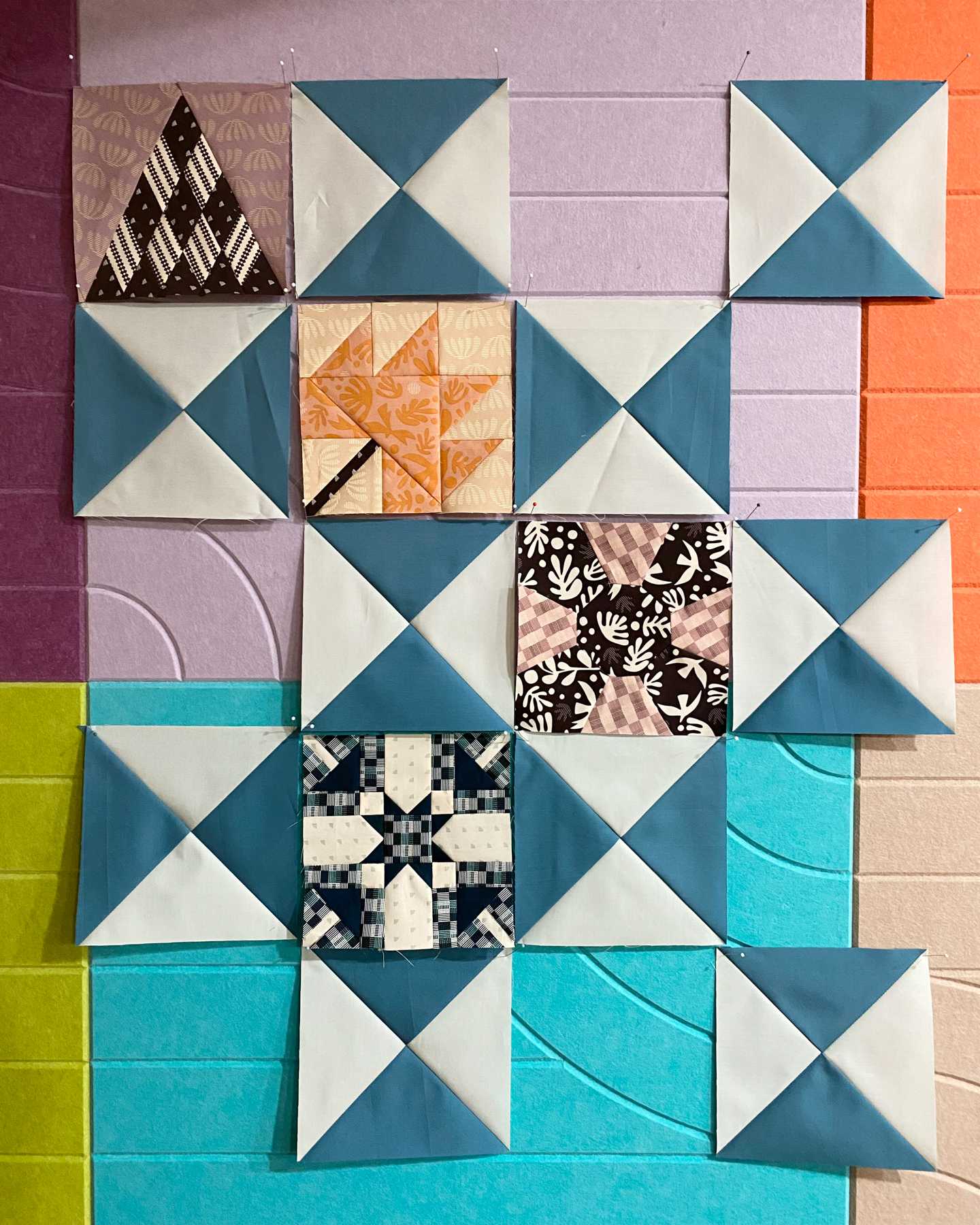
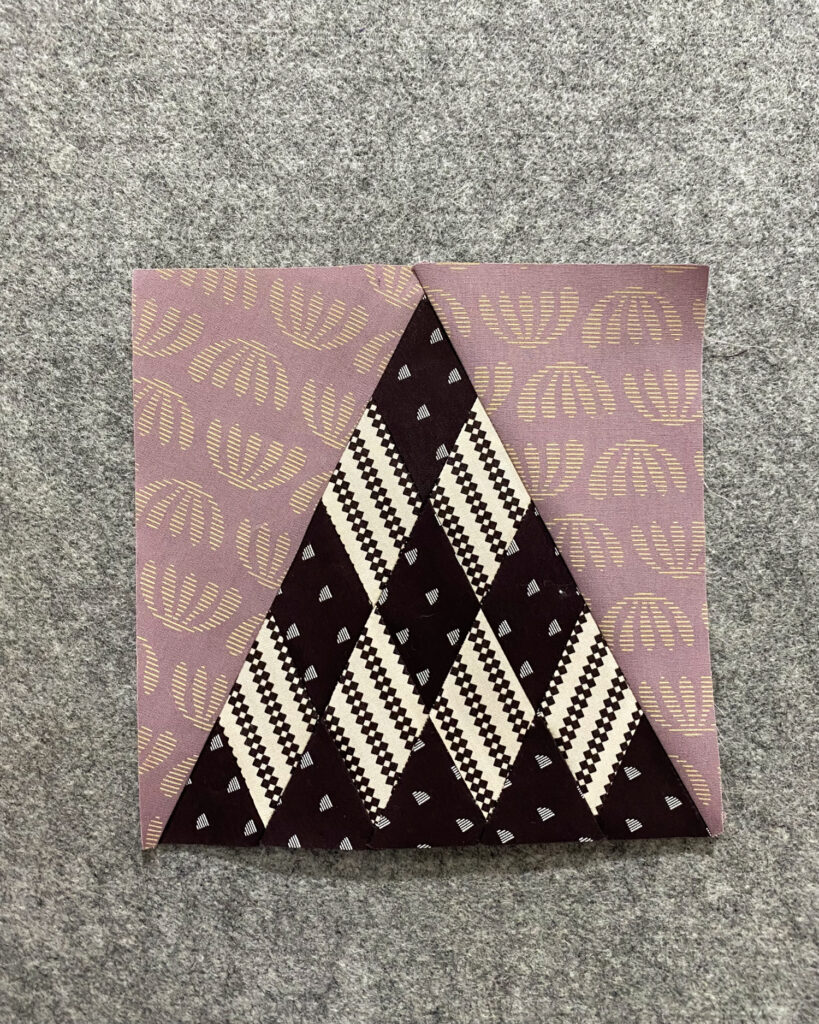
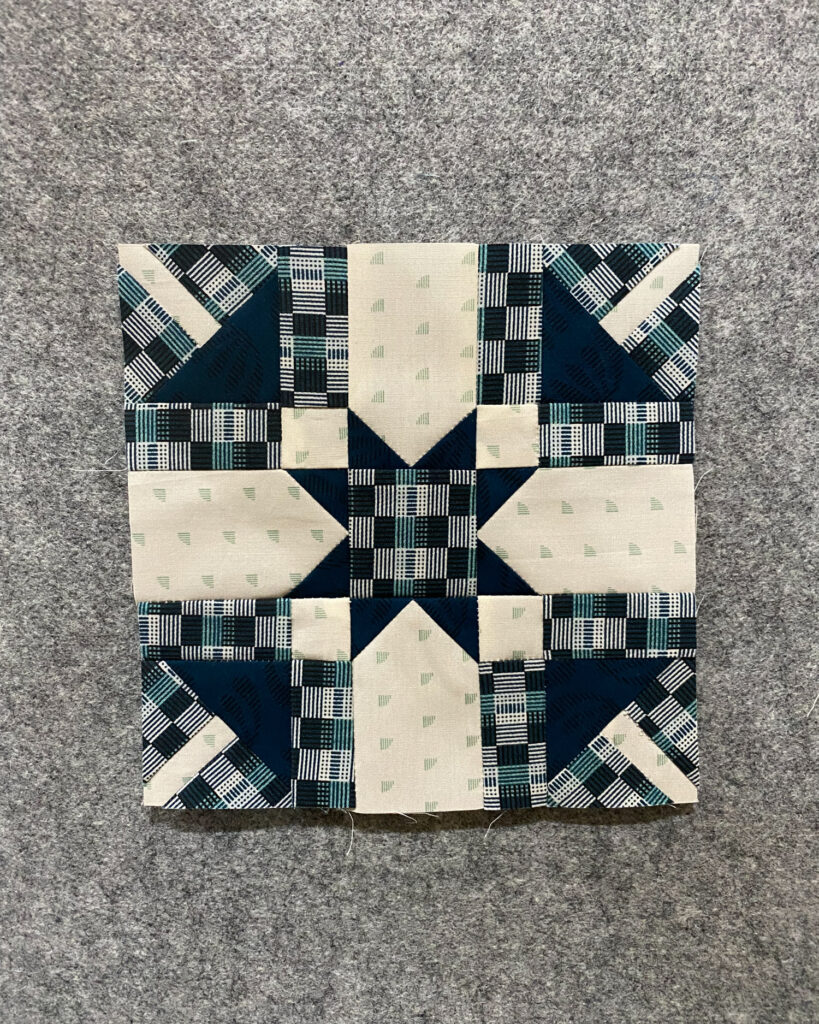
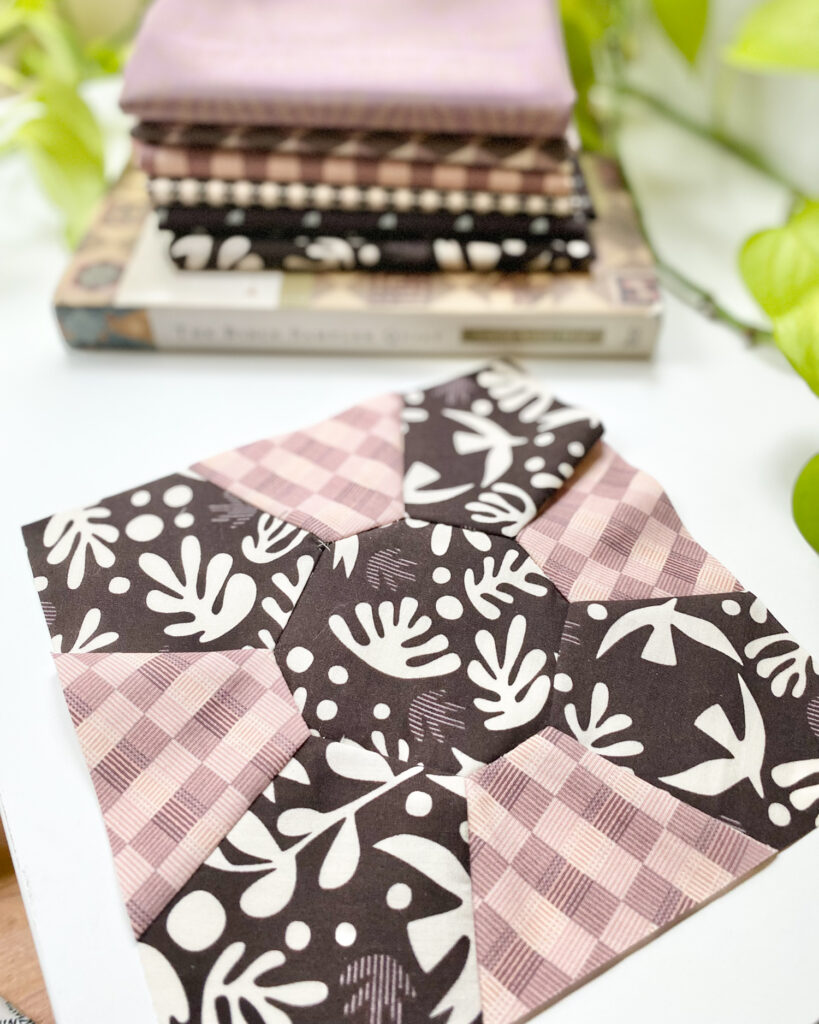
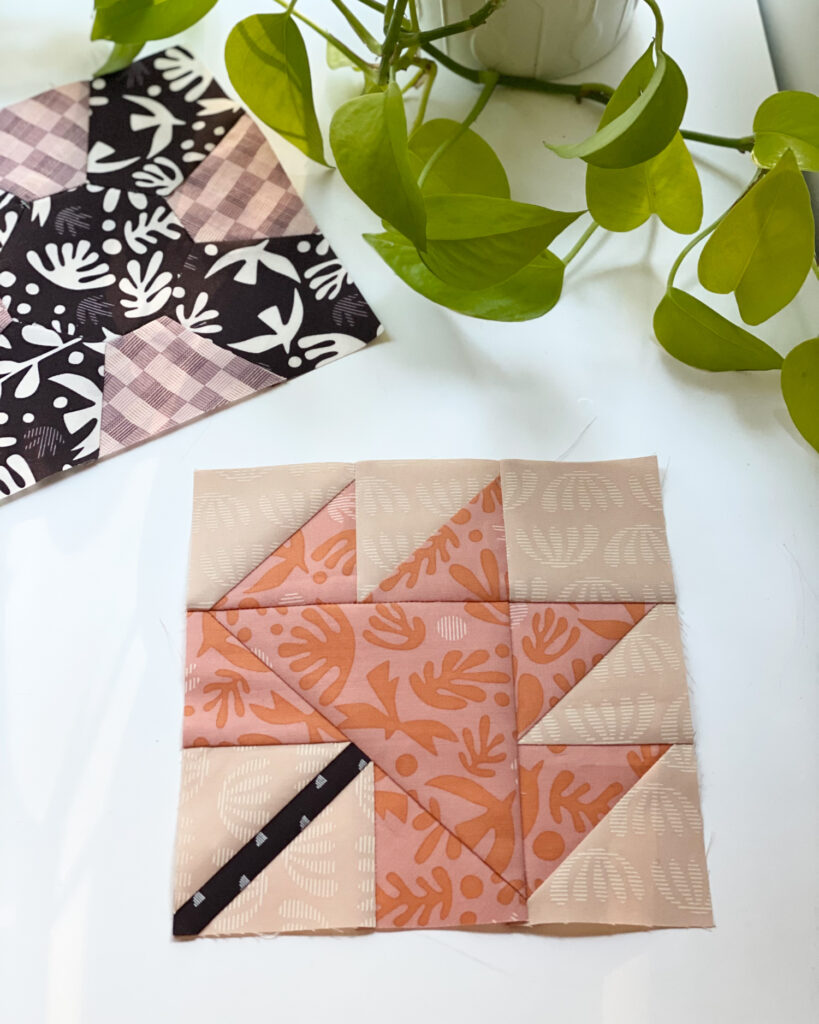
Here are the first few blocks I’ve made, along with a photo of the book cover. The book includes both traditional and Foundation Paper Piecing (FPP) templates for each block. So far, I’ve been using the FPP versions, but I might try the traditional templates too (less paper to tear away!).

Tools I’m Using for Foundation Paper Piecing
Along with my usual quilting supplies, here are a few extras I’m reaching for when working on the FPP blocks:
- Add-A-Quarter Ruler by CM Designs
- Add-An-Eighth Ruler by CM Designs
- 4×6 index card or junk mail – for folding the paper along the seam lines
- Glue stick – for securing the first fabric piece
- Foundation Paper – Carol Doak’s Foundation Paper

Paper Piecing Tips
If you’re new to FPP, these tips can help make the process go a bit smoother:
- Shorten your stitch length
- Set your machine to a shorter stitch length (1.5–1.8) so the paper is easier to tear away
- Fold before you sew
- Use a 4×6 index card or a piece of junk mail to help fold along the stitch lines before trimming your seam allowances.
- Trim as you go
- After each seam, trim the seam allowance to keep things tidy and accurate. Since many of the pieces in these blocks are tiny, I’ve been using the Add-An-Eighth Ruler by CM Designs instead of the standard ¼”—it helps reduce bulk and makes piecing small sections easier.
- Use a light source
- Hold the paper up to a window or lightbox to help place your fabric pieces precisely.
- Start with larger pieces than you think
- Oversized fabric pieces can save you some frustration while you’re getting the hang of it.
- Press often
- Press each seam before moving on to the next for nice, flat blocks.
This project is such a special way for me to combine two things I love, faith and quilting, and I’m excited to keep sharing the journey as I go. If you’re working on a Bible Quilt too (or thinking about starting one), I’d love to have you join me!
Sign up for my newsletter to follow along with the Bible Quilt series, and I’ll send you a simple, one-page Bible Quilt Block Tracker to help you keep track of each block as you make progress on your quilt.
I can’t wait to have you quilting along with me!